Communal Area Cleaning: Keeping Shared Spaces Fresh, Safe, and Welcoming
Communal area cleaning plays a vital role in maintaining the appearance, hygiene, and comfort of shared environments. Whether it is an apartment building, office complex, residential block, student accommodation, or mixed-use property, clean communal areas create a positive first impression and support a healthier environment for everyone who uses the space. In busy shared settings, dirt builds up quickly, high-touch surfaces gather germs, and neglected spaces can affect the entire atmosphere of a property.
For property managers, landlords, facilities teams, and residents, investing in professional communal area cleaning is not just about appearance. It is about safety, long-term maintenance, and creating spaces that people feel proud to use every day. From lobbies and hallways to stairwells, lifts, and entranceways, routine cleaning keeps shared spaces inviting and reduces the wear and tear that can happen when cleanliness is overlooked.
In this article, we explore the importance of communal area cleaning, the services it includes, the benefits it brings, and the best practices that make a difference in any shared environment.
Why Communal Area Cleaning Matters
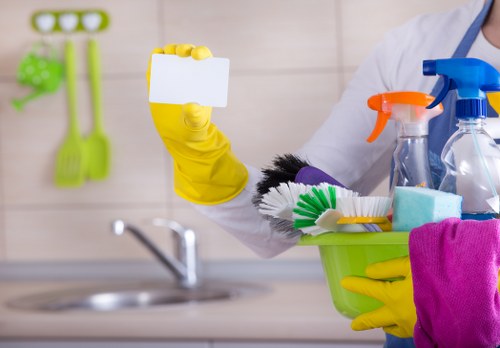
Communal area cleaning is essential because shared areas are used by many people throughout the day. This constant traffic means dust, spills, fingerprints, litter, and germs accumulate faster than they would in private spaces. Without regular cleaning, these areas can quickly appear neglected, which affects both the experience of occupants and the reputation of the property.
A clean communal space also contributes to wellbeing. People are naturally more comfortable in tidy surroundings, and a fresh environment can reduce stress and improve satisfaction. In residential buildings, communal area cleaning helps residents feel more at home. In office or commercial properties, it supports productivity and makes a professional impression on visitors.
Another important reason communal area cleaning matters is safety. Slippery floors, blocked entryways, overflowing bins, and unsanitary surfaces can all create hazards. A structured cleaning routine helps minimize these risks and keeps shared spaces more secure and functional.
What Communal Area Cleaning Typically Includes
The scope of communal area cleaning depends on the property type, size, and level of use. However, most cleaning schedules include a wide range of tasks designed to keep shared spaces clean, presentable, and hygienic.
Typical communal area cleaning tasks include:
- Dusting skirting boards, ledges, handrails, and fixtures
- Vacuuming carpets and runners
- Sweeping and mopping hard floors
- Cleaning entrance mats and door frames
- Wiping down switches, handles, and touchpoints
- Removing litter and emptying bins
- Cleaning mirrors, glass panels, and internal windows
- Sanitizing lifts, buttons, and shared surfaces
- Removing cobwebs and surface debris
- Spot-cleaning walls and marks
In some properties, communal area cleaning may also include periodic tasks such as deep carpet cleaning, floor polishing, or pressure washing external access areas. These additional services help maintain a polished appearance and extend the life of surfaces.
Key Areas That Need Regular Attention
Not all shared areas require the same amount of attention, but some zones need frequent cleaning because they experience the highest traffic. In effective communal area cleaning programs, these spaces are usually prioritized.
Entrances and Lobbies
Entrances are the first area people see, so they set the tone for the rest of the building. Dirt, rainwater, leaves, and foot traffic can make entrances look untidy very quickly. Regular cleaning keeps the space bright, fresh, and welcoming.
Hallways and Corridors
Hallways are constantly used and often show signs of wear. Vacuuming, mopping, and dusting are important to prevent dust buildup and maintain a neat look. Clean corridors also improve safety by reducing slipping risks and keeping the route clear.
Stairwells
Stairwells are often overlooked, yet they are a major part of communal area cleaning. They collect dust, debris, and hand marks on railings and walls. Regular cleaning here supports both hygiene and appearance.
The Benefits of Professional Communal Area Cleaning
Hiring a professional cleaning service for communal area cleaning offers several advantages over inconsistent or ad hoc cleaning. A trained team knows how to work efficiently, maintain standards, and use the right products for different surfaces.
Here are some of the main benefits:
- Improved hygiene: Frequent cleaning helps reduce bacteria, dust, and allergens.
- Better appearance: Clean shared spaces create a more attractive environment.
- Longer surface life: Regular maintenance helps protect floors, fixtures, and fittings.
- Enhanced safety: Clean floors and clear pathways help prevent accidents.
- Positive perception: Residents, employees, and visitors notice when a property is well cared for.
Professional communal area cleaning is especially valuable for properties with multiple users, as it provides consistency. Rather than relying on irregular efforts, the building benefits from a reliable standard of cleanliness week after week.
For property managers, outsourcing this work can also save time and reduce stress. Instead of coordinating multiple cleaning tasks internally, they can focus on wider facilities management while specialists handle the shared areas.
Communal Area Cleaning for Residential Buildings
In residential blocks, communal area cleaning is central to resident satisfaction. Shared spaces in apartment complexes, housing associations, and managed developments are used daily by people of all ages. That means these areas must remain clean, safe, and pleasant throughout the year.
Residential communal area cleaning often includes:
- Cleaning front entrances and reception areas
- Dusting stair rails and window sills
- Vacuuming hall carpets and runners
- Mopping hard floors in lobbies and landings
- Wiping down mailbox areas and intercom panels
- Emptying communal bins
- Maintaining lifts and lift lobbies
A well-maintained residential setting can improve the daily experience of every occupant. Clean hallways and stairwells make the property feel more secure and better managed. This can also help protect property value, since first impressions matter to both tenants and potential buyers.
Residents are more likely to respect shared spaces when they see that standards are consistently maintained. That creates a positive cycle: cleaner spaces encourage better behavior, and better behavior helps keep communal area cleaning more effective.
Communal Area Cleaning for Commercial and Workplace Settings
Shared cleaning needs are not limited to apartment buildings. Offices, clinics, business centers, coworking spaces, and mixed-use developments also rely on communal area cleaning to maintain a professional atmosphere. In these settings, cleanliness directly influences how clients, staff, and guests view the business.
Office communal area cleaning may involve reception areas, kitchens, break rooms, corridors, and meeting space entrances. In commercial environments, high-touch cleaning is especially important because many people interact with shared surfaces throughout the day.
Why it matters in workplaces
Clean communal spaces can support morale and productivity. Employees are more likely to feel valued when their environment is well maintained. Visitors and clients also gain confidence from a neat, organized setting.
Common workplace priorities include:
- Sanitizing door handles and shared touchpoints
- Keeping reception areas clean and polished
- Ensuring floors are free from debris and spills
- Maintaining washrooms and break areas
- Removing waste promptly
In busy workplaces, communal area cleaning should be scheduled to minimize disruption while still keeping standards high. Early morning, evening, or off-peak cleaning often works best.
How Often Should Communal Area Cleaning Be Scheduled?
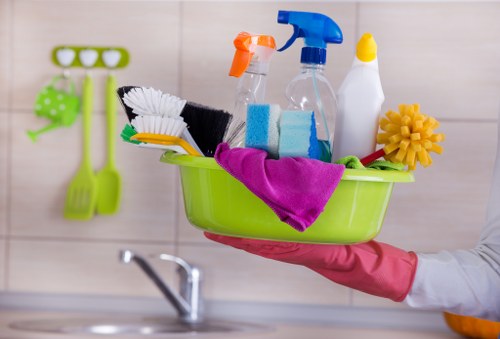
The ideal cleaning frequency depends on how many people use the space and the nature of the property. A low-traffic building may need less frequent attention than a busy residential complex or office block. Still, consistency is essential if you want communal area cleaning to remain effective.
As a general rule, high-traffic shared areas should be cleaned daily or several times a week. Lower-traffic zones may require weekly or fortnightly attention, with deep cleaning arranged periodically.
Factors that affect frequency include:
- Number of occupants or visitors
- Seasonal weather conditions
- Presence of carpets or delicate flooring
- Type of building and its usage patterns
- Availability of bins and waste disposal points
For example, winter often brings in more dirt and moisture from outdoors, which may require extra attention at entrances and on floors. In contrast, warmer seasons may lead to more dust and outdoor debris being carried inside. A flexible cleaning plan helps meet these changing demands.
Best Practices for Effective Communal Area Cleaning
Achieving high standards in communal area cleaning requires more than occasional tidying. It involves planning, attention to detail, and the use of suitable methods for each surface and space.
Use a structured checklist
A checklist ensures that no area is missed. This is especially important in buildings with multiple floors or several communal zones. A structured process creates consistency and accountability.
Focus on high-touch points
Door handles, bannisters, lift buttons, and switches are touched frequently and should be cleaned regularly. These surfaces can collect germs quickly, making them a priority in any shared cleaning routine.
Choose the right products
Different surfaces require different cleaning solutions. Using appropriate products helps avoid damage while improving results. Floors, glass, stainless steel, and painted surfaces each need specific care.
Consider environmental responsibility
Many property managers now prefer eco-friendly cleaning solutions. These products can support sustainability goals while still delivering excellent results. Green cleaning practices are increasingly popular in communal area cleaning because they can reduce harsh chemical use and improve indoor air quality.
Train cleaning staff properly
Training helps cleaners work safely and efficiently. It also ensures they understand site-specific rules, access procedures, waste disposal expectations, and health and safety requirements. Skilled staff are essential to delivering reliable communal area cleaning results.
Common Challenges in Communal Area Cleaning
Shared spaces come with unique cleaning challenges. Because many people use them, they can become messy quickly. In some properties, wear and tear is also greater than in private spaces. A strong cleaning plan helps overcome these issues.
Typical challenges include:
- Constant foot traffic
- Unexpected spills and litter
- Weather-related dirt and moisture
- Graffiti or staining in some areas
- Different expectations among users
Another challenge is timing. Cleaning must often be performed with minimal disruption, especially in residential buildings where occupants may be at home or in workplaces where business is ongoing. This is why professional communal area cleaning services often work around occupancy schedules.
Communication can also be important. Property managers may need to inform residents or staff about cleaning times, access restrictions, or temporary disruptions so that the process runs smoothly.
How Communal Area Cleaning Supports Property Value
Clean shared spaces contribute directly to the perception of a property. Whether a building is used for living, working, or both, visible cleanliness signals care and management quality. This can have a meaningful effect on long-term value.
Well-kept communal areas help protect materials from premature damage. Dirt and grit can scratch floors, stains can become harder to remove over time, and neglected surfaces may deteriorate faster. By maintaining regular communal area cleaning, property owners can reduce repair and replacement costs.
In residential environments, prospective tenants or buyers often assess hallways, entrances, and stairwells before making decisions. In commercial settings, clients and business partners may judge the professionalism of an organization based on what they see in common areas. Clean shared areas matter because they shape confidence and trust.
Choosing the Right Communal Area Cleaning Service
When selecting a cleaning provider, it is important to look beyond price alone. The right service should offer reliability, consistency, and a clear understanding of the property’s specific requirements. Communal area cleaning works best when it is tailored to the site rather than delivered as a one-size-fits-all solution.
Key qualities to look for include:
- Experience with residential or commercial communal spaces
- Flexible scheduling
- Clear cleaning standards and checklists
- Attention to detail
- Proper insurance and compliance awareness
- Good communication and responsiveness
A strong cleaning partner will also adapt to seasonal needs, special events, or changes in occupancy. That flexibility is valuable in properties where traffic levels shift throughout the year.
If you are comparing options, ask about frequency, scope of work, and the ability to handle both routine and deep cleaning tasks. The best communal area cleaning services are proactive, not just reactive.
Long-Term Value of Routine Communal Area Cleaning
Routine communal area cleaning is an investment with ongoing benefits. It supports health, safety, comfort, and appearance while helping properties remain in good condition for longer. The more consistently shared spaces are maintained, the less likely they are to experience avoidable problems.
Over time, a regular cleaning schedule can reduce the need for major restorative work. Floors stay in better condition, glass and fixtures remain presentable, and waste or grime does not build up to problematic levels. In practical terms, this makes maintenance easier and often more cost-effective.
Just as important, communal area cleaning contributes to a sense of pride. People tend to treat clean spaces with greater respect, which can reduce littering and misuse. That makes the environment better for everyone using the building day after day.
Final Thoughts on Communal Area Cleaning
Communal area cleaning is far more than a background task. It is a crucial part of property care that affects hygiene, safety, comfort, and reputation. From residential blocks to commercial properties, clean shared spaces make a building more pleasant and more functional for everyone involved.
When done well, communal area cleaning helps create a welcoming atmosphere, reduces risks, and supports the long-term value of the property. It also gives residents, employees, and visitors confidence that the space is being looked after properly.
If you want your shared spaces to stay fresh, organized, and professional, now is the time to make communal area cleaning a priority. Contact us today to discuss your requirements or book your service now and keep your communal areas looking their best.