Office Cleaning in Your Workplace: Practical Standards for a Cleaner, Healthier, More Productive Space
Office cleaning plays a bigger role in daily business success than many people realize. A clean workplace is not only about appearance; it affects employee morale, visitor confidence, hygiene, air quality, and even the way teams perform. Whether you manage a small office, a busy corporate floor, a co-working space, or a professional practice, office cleaning helps create an environment where people can focus, collaborate, and feel comfortable throughout the day.
Today, businesses are paying closer attention to sanitation, sanitation schedules, and workplace presentation. Clients notice when reception areas sparkle, staff notice when desks and breakrooms are tidy, and managers notice when absenteeism drops in cleaner environments. That is why office cleaning services remain an essential investment for organizations of every size. From daily dusting to deep cleaning and disinfection, the right approach supports both health and professionalism.
In this article, we will explore what office cleaning includes, why it matters, which areas need the most attention, and how to build a reliable cleaning routine. You will also find practical tips for maintaining a polished workspace, improving hygiene standards, and choosing the right office cleaning plan for your needs.
Why Office Cleaning Matters for Every Business

Office cleaning is not simply a cosmetic task. It directly affects how employees feel when they arrive at work and how clients perceive your business. A dusty desk, stained carpet, or overflowing bin can make even a successful company appear disorganized. On the other hand, a clean and well-maintained office communicates trust, attention to detail, and respect for everyone who enters the space.
Health is one of the strongest reasons to prioritize office cleaning. Shared offices contain high-touch surfaces such as door handles, elevator buttons, desks, keyboards, light switches, and kitchen counters. These surfaces can quickly collect germs, allergens, dust, and debris. Regular cleaning and sanitizing reduce the spread of bacteria and help create a safer environment for staff and visitors.
Another important factor is productivity. Employees are more likely to stay focused in a tidy workspace than in a cluttered one. Clean desks, organized common areas, and fresh air contribute to better concentration and lower stress. Many businesses also find that structured office cleaning supports a stronger workplace culture because people naturally treat clean spaces with more care.
What Office Cleaning Usually Includes
Office cleaning can be tailored to match the layout, size, and usage of a business premises. A basic service may cover routine tasks such as emptying bins, vacuuming floors, and wiping surfaces. A more advanced plan may include deep cleaning, carpet care, window cleaning, restroom sanitization, and high-level dust removal. The exact scope often depends on your industry and foot traffic.
Typical office cleaning services often include:
- Dusting desks, shelves, baseboards, and fixtures
- Vacuuming carpets and rugs
- Mopping hard floors and cleaning entrance mats
- Cleaning and disinfecting washrooms
- Wiping kitchen surfaces and breakroom appliances
- Sanitizing high-touch contact points
- Removing waste and recycling materials
- Cleaning glass, mirrors, and internal partitions
Some businesses also request specialized office cleaning such as after-hours sanitizing, post-renovation cleanup, upholstery care, or floor polishing. The best cleaning plan is one that keeps the office looking professional while also supporting hygiene and long-term maintenance.
Key Areas That Need Regular Attention

Not every part of an office requires the same frequency of attention, but some zones are especially important in any office cleaning routine. Reception areas are often the first thing visitors see, so they should always be tidy, dust-free, and welcoming. Conference rooms also need regular care because they host meetings, interviews, and client presentations.
Workstations are another major priority. Even in paperless offices, desks can collect dust, crumbs, fingerprints, and clutter. Employees often touch their keyboards, phones, and desktop surfaces repeatedly, which makes routine cleaning essential. A clean workstation supports better focus and helps reduce the spread of germs in shared spaces.
Breakrooms and kitchens need special attention because food residue, spills, and shared appliances can attract odors and bacteria. Restrooms are similarly important and should be cleaned thoroughly and consistently. Floors, corridors, and entry points should not be forgotten either, because these areas experience the highest foot traffic and can quickly show dirt.
Daily, Weekly, and Monthly Office Cleaning Tasks
A successful office cleaning plan works best when it follows a schedule. Different tasks should be completed at different intervals depending on usage, season, and office size. A structured system prevents small issues from turning into larger hygiene or maintenance problems.
Daily office cleaning usually includes:
- Emptying trash bins and replacing liners
- Wiping frequently touched surfaces
- Cleaning kitchen counters and sink areas
- Sanitizing restrooms
- Vacuuming or sweeping entrances and high-traffic paths
- Spot-cleaning spills and visible marks
Weekly office cleaning might include deeper dusting, mopping all floors, cleaning glass partitions, wiping appliance exteriors, and refreshing shared furniture. Monthly tasks often include carpet extraction, high dusting, deep restroom cleaning, and inspecting areas that are easy to overlook during routine service. By dividing office cleaning into manageable tasks, you keep the workspace consistently fresh without allowing buildup.
How Office Cleaning Supports Employee Health

Cleaner offices can contribute to healthier employees in several ways. First, routine office cleaning reduces the presence of dust, pollen, and other allergens that may irritate the respiratory system. This is particularly important for open-plan offices where air circulates throughout the space and particles spread quickly from one desk to another.
Second, regular sanitizing of high-touch surfaces helps limit the spread of common illnesses. When desks, handrails, shared equipment, and restroom fixtures are cleaned correctly, the workplace becomes less likely to circulate germs among employees. This can help reduce sick days and support more consistent business operations.
Third, a clean workplace can improve mental well-being. Clutter and mess can increase stress levels, especially in fast-paced office environments. A tidy, organized setting encourages calm, clarity, and better concentration. In that sense, office cleaning is not only about hygiene; it is also about supporting the emotional and professional experience of everyone in the building.
Professional Office Cleaning vs. In-House Cleaning
Many businesses wonder whether they should assign cleaning tasks to staff or hire professional office cleaning support. In-house cleaning may work for very small offices with minimal use, but it can become inconsistent when employees already have demanding roles. Professional cleaners bring structure, equipment, and experience that help maintain higher standards over time.
Professional office cleaning services often offer advantages such as:
- Consistent results and scheduled visits
- Specialized tools and cleaning products
- Knowledge of hygiene best practices
- Ability to handle different floor types and surfaces
- Flexible service times, including evenings or weekends
- Reduced burden on office staff
In-house cleaning can still be useful for light upkeep between professional visits. For example, employees can tidy their own desks, keep kitchen spaces organized, and report spills quickly. However, larger tasks such as carpet cleaning, restroom sanitation, and deep office cleaning are usually best handled by trained professionals.
What Makes an Office Cleaning Plan Effective?
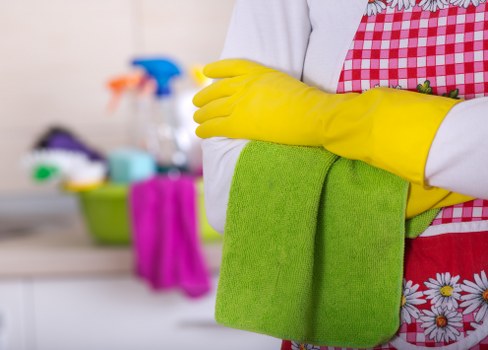
An effective office cleaning plan should match the specific needs of the workplace. A law office, medical practice, creative agency, and financial firm may all require different cleaning priorities. The best plan begins with an assessment of the building, its traffic patterns, and its most heavily used rooms.
Useful factors to consider include the number of staff, visitor volume, type of flooring, shared equipment, and whether the office includes kitchens, restrooms, or meeting rooms. Offices with many clients may need more frequent reception-area care, while busy call centers may require more frequent sanitizing of desks and communal areas. The right cleaning plan is practical, reliable, and flexible enough to respond to changing needs.
It is also important to define quality standards. For example, you may expect visible dust to be removed daily, waste bins emptied every evening, and restrooms sanitized multiple times each day. Clear standards help everyone understand what good office cleaning looks like and make it easier to monitor performance over time.
Choosing the Right Cleaning Products and Methods
Modern office cleaning involves more than just traditional wiping and vacuuming. The products and methods used can influence safety, sustainability, and long-term results. Businesses are increasingly choosing cleaning solutions that are effective while also being mindful of indoor air quality and environmental impact.
Some offices prefer eco-friendly office cleaning products because they reduce harsh chemical odors and may be gentler on surfaces and employees with sensitivities. Others focus on disinfectants approved for high-touch sanitizing in shared environments. The best option is usually a balanced approach that combines performance, safety, and proper usage.
Cleaning methods also matter. Microfiber cloths, for example, can trap dust more effectively than ordinary rags. HEPA-filter vacuums can help improve air quality by capturing finer particles. Color-coded tools can reduce cross-contamination between restrooms, kitchens, and general office areas. Small improvements like these can make office cleaning more thorough and efficient.
How to Maintain a Cleaner Office Between Services
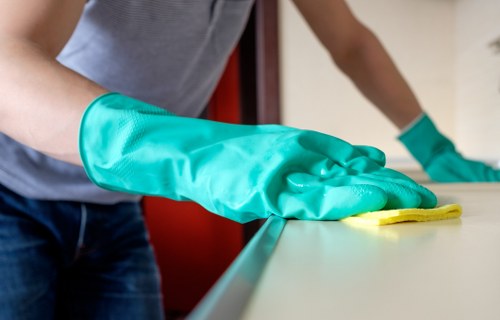
Even with professional office cleaning, everyday habits play a major role in keeping the workplace in good condition. Employees, managers, and visitors all contribute to the overall environment. Simple routines can make a big difference and help cleaning teams maintain higher standards with less effort.
Useful habits include:
- Clearing desks at the end of each day
- Wiping up spills immediately
- Returning shared items to designated areas
- Keeping food in kitchen or breakroom spaces only
- Disposing of paper and waste properly
- Reporting maintenance issues early
These habits support ongoing office cleaning by preventing clutter and reducing unnecessary mess. They also make it easier for cleaning staff to focus on deeper hygiene tasks instead of dealing with avoidable buildup. A workplace culture that values cleanliness tends to stay more organized and presentable long term.
Office Cleaning for Different Types of Workplaces
Not all offices are the same, which means office cleaning needs can vary widely. A small startup with ten employees will not require the same routine as a multi-floor corporate headquarters. Professional service providers often customize their work to fit each environment.
For example, medical and dental offices need heightened attention to sanitation because of infection control concerns. Shared workspaces and co-working locations often require more frequent cleaning of common tables, lounges, and kitchens due to high turnover and frequent visitors. Professional service firms may prioritize presentation areas, while busy administrative offices may need strong emphasis on desk hygiene and waste removal.
Here are a few workplace-specific priorities:
- Corporate offices: reception, meeting rooms, restrooms, floors, and executive areas
- Creative offices: shared tables, collaborative zones, kitchens, and glass surfaces
- Medical offices: disinfecting, hygiene standards, waiting areas, and contact points
- Co-working spaces: seating rotation zones, hot desks, shared appliances, and break areas
- Professional practices: private offices, client rooms, and polished presentation spaces
By tailoring office cleaning to the type of business, organizations can improve both cleanliness and operational efficiency.
Signs Your Office Cleaning Needs Improvement
Sometimes businesses assume their office is clean enough, but subtle warning signs may show that the cleaning routine is not meeting expectations. These signs can include visible dust on vents or corners, lingering odors in kitchens or restrooms, sticky floors, stained carpets, and fingerprints on glass or doors. If these issues appear regularly, the cleaning schedule may need adjustment.
Another sign is employee feedback about clutter, odors, or hygiene concerns. Even if nobody makes a formal complaint, you may notice that staff avoid common areas or that the reception space no longer looks as professional as it once did. A drop in presentation quality is often one of the first indicators that office cleaning has become inconsistent.
Recurring issues like restrooms running out of supplies, bins overflowing, or shared equipment appearing dusty may suggest that the current plan does not cover enough tasks or does not happen often enough. In that case, upgrading your office cleaning routine can quickly improve the work environment.
Benefits of Regular Office Cleaning for Business Image
Professional appearance matters in every industry. When clients, vendors, job candidates, or partners walk into your office, they begin forming an impression immediately. A clean reception area, well-maintained floors, and fresh-smelling meeting rooms tell visitors that your business is organized and dependable. This impression can be especially valuable in competitive markets.
Office cleaning also supports brand identity. If your company values excellence, efficiency, or attention to detail, the condition of your office should reflect those values. A polished environment suggests that the business cares about quality in every part of its operations, not just the products or services it sells.
Even small details matter. Clear glass doors, dust-free shelves, clean washrooms, and neatly maintained common areas all contribute to a strong brand presence. When the office environment matches the professionalism of the company, it reinforces trust and credibility.
Tips for Getting the Best Office Cleaning Results
If you want the best outcome from your office cleaning efforts, focus on communication, consistency, and regular review. Make sure the cleaning scope is clearly defined and that priorities are understood. This helps avoid missed tasks and makes it easier to maintain a high standard over time.
Consider these practical tips:
- Create a cleaning checklist for daily, weekly, and monthly tasks
- Assign responsibility for light daily upkeep in shared spaces
- Track problem areas that need more frequent attention
- Review service quality regularly and adjust the schedule if needed
- Store cleaning supplies safely and accessibly for quick use
- Encourage employees to support cleanliness through simple habits
It also helps to schedule deeper office cleaning during quieter hours so staff can work without disruption. After-hours or weekend cleaning is often a convenient solution because it allows professionals to clean thoroughly without affecting business operations.
The Long-Term Value of Office Cleaning
Office cleaning delivers long-term value beyond immediate appearance. Regular care helps protect flooring, upholstery, desks, and fixtures from early wear. Dust and grime can shorten the life of surfaces and equipment, while neglected carpets and restrooms may become expensive to restore later. Consistent cleaning can therefore save money by reducing repair and replacement costs.
There is also value in morale and retention. People generally enjoy working in clean environments, and that comfort can support better employee satisfaction. A well-kept workplace signals respect for staff well-being, which can contribute to stronger engagement and a more positive company culture.
For customer-facing businesses, office cleaning can even support revenue indirectly by strengthening first impressions and making clients more confident in your professionalism. In other words, cleanliness is not just a maintenance issue; it is part of the business experience.
Why consistent cleaning pays off
When office cleaning is treated as an ongoing priority instead of an occasional task, the results are easier to maintain and more cost-effective in the long run. Instead of trying to recover from heavy buildup, the workplace stays ready for daily use. That consistency benefits everyone who enters the space.
In summary, reliable office cleaning improves health, supports productivity, protects assets, and strengthens your company image. It is one of the simplest ways to make a workplace feel more professional and welcoming.
Final Thought
If your office could benefit from a fresher, cleaner, and more organized environment, now is the perfect time to take action. Build a cleaning routine that fits your business, prioritize the high-traffic areas, and make office hygiene part of your everyday standards. Contact us today to improve your office cleaning approach, or book your service now to keep your workspace looking its best.
Quick Reminder
Great office cleaning is not about doing everything once; it is about doing the right things consistently. With the right plan, your workplace can stay cleaner, healthier, and more productive every day.